Harry Targ
When the Soviet Union sent 85,000 of its troops to Afghanistan in late December, 1979, President Carter declared that the United States was forced to return to Cold War military preparedness. But, in fact, the Carter administration had been escalating military commitments and operations throughout 1979, months before the Soviet action.
In a brief televised address two weeks after the Soviet invasion, the President denounced it as “a deliberate effort by a powerful atheistic government to subjugate an independent Islamic people.” He said it threatened “both Iran and Pakistan” and was “a stepping-stone” for the Soviets possible control “over much of the world’s oil supplies.”
The President followed his brief condemnation with a lengthy State of the Union address to the American people on January 21, 1980. In it he announced some extraordinary changes in United States foreign policy that constituted a decisive return to Cold War with the Soviet Union.
The changes Carter initiated included the following: reduction of grain sales to the Soviet Union; curtailment of high technology trade with them; postponement of ratification of the SALT II arms control agreement; enlarging strategic forces; beefing up NATO forces; establishing a Caribbean Joint Task Force Headquarters; unleashing the CIA; installing a program of draft registration; and providing more military assistance to Pakistan, South Korea, and Thailand.
Perhaps the most important policy change was the establishment of a 100,000 person military “rapid deployment force” which could be instantly mobilized in crisis situations. And he proclaimed that the Persian Gulf was vital to U.S. security interests and would be protected; what became known as the Carter Doctrine.
All these announced changes were billed by administration spokespersons as a response to the duplicitous Soviet invasion of Afghanistan. Ultimately, the Soviets wanted to invade Iran, secure Persian Gulf oil, secure warm water ports, and expand their Asian empire. The U.S., they said, had to respond to this expansion of the Cold War.
But a careful examination of the events of 1979 prior to the Soviet invasion suggests a different timeline and interpretation. In January, 1979, the Shah of Iran, the closest of U.S. allies, was toppled in a revolution. Carter aides initially had urged him to send troops to Teheran to save our Persian Gulf cop from ouster but the revolution came too fast to save the Shah.
After Iran, in the Caribbean and Central America revolutions occurred in tiny Grenada (March, 1979) and historically anti-Communist Nicaragua (July, 1979). There was a coup by military reformers in El Salvador (October, 1979). In early November, 1979, Iranian students took approximately 70 U.S. government representatives hostage.
The administration perceived itself as being threatened by the spread of hostile regimes and movements and the collapse of the vital ally in Iran was deemed the most critical to U.S. interests. As a result of all these crises, Carter began military rearmament, secured new bases, tried to undermine the changes occurring in Nicaragua and El Salvador, and allowed the Shah of Iran to enter the United States in October, 1979 for medical treatment.
Inside the Carter administration, foreign policy decision makers feared the collapse of U.S. power around the world. However, they felt the United States could not respond because of the so-called “Vietnam Syndrome.” That is, decision makers believed that most Americans opposed a return to militarism and interventionism.
Then, fortunately for the Carter team, the Soviet Union, fearful of the collapse of an allied regime in Kabul and increasingly seeing itself as encircled by China in the East and a beefed up NATO in the West, sent troops into Afghanistan. The Soviet Union fell into a trap set by the Carter Administration.
What was the nature of this trap? Well, Jimmy Carter’s National Security Advisor, Zbigniew Brzezinski, in an interview given to the French newspaper, Le Nouvel Observateur in January, 1998, said that official CIA accounts which say the United States began to support rebels in Afghanistan after the Soviet invasion were lies. In fact, he said, “…it was July 3, 1979 that President Carter signed the first directive for secret aid to the opponents of the pro-Soviet regime in Kabul.” The National Security advisor said he wrote the President “…that in my opinion this aid was going to induce a Soviet military intervention.”
Brzezinski told Carter that the Soviets would probably intervene in Afghanistan if we funded rebels and that they, the Soviets, would then be buried in their own Vietnam. In retrospect, he said, the Soviet incursion led to the collapse of the Soviet Union and its “empire.” He suggested that the rise of Islamic fundamentalism was of minor concern compared to the threat of international communism.
Reflecting back thirty years, the following conclusions seem justified. First the United States returned to an aggressive Cold War policy not after the Soviet invasion of Afghanistan but before it.
Second, President Carter announced a broad array of aggressive policies toward the Soviet Union after the Soviet invasion but these were in place or in the process of development before the Soviet moves of December, 1979.
Third, the United States began funding the various fundamentalist groups to fight against the secular and modernizing regime in Kabul before the Soviets sent troops. And that led subsequently, as the Center for Defense Information estimated, to the United States funneling $2 billion to rebel forces in Afghanistan in the 1980s.
Fourth, the war on the pro-Soviet regime in Kabul destroyed efforts to modernize the tradition-bound country. Women, who had become active participants in public life and the economy in the 1980s lost control of their lives after the pro-Soviet regime collapsed. In general, an estimated one million Afghans died in the 1980s from war and repression and some five million fled the country.
We know about what happened after the troubled 1980s in Afghanistan. The Soviet troops withdrew. After a time, the secular regime in Kabul was ousted from power. Competing fundamentalist militias vied for control of the state. The Taliban consolidated their power by 1996. Then the United States launched its public war on Afghanistan in October, 2001. But, the record suggests, the United States initiated its war on the country as far back as July, 1979.
The pain and suffering of the peoples of Afghanistan have a long history before and since the United States intervened in their political lives in 1979. Many outside powers share responsibility for their plight. But today’s situation directly relates to the covert war the United States encouraged and funded from the summer of 1979.
Tuesday, December 22, 2009
Friday, December 18, 2009
IT IS A SEASON FOR HOPE, A SEASON FOR STRUGGLE
Harry Targ
Turn, Turn, Turn
Words from Ecclesiastes, text adapted and music by Pete Seeger
(chorus)
To Everything (Turn, Turn, Turn)
There is a season (Turn, Turn, Turn)
And a time for every purpose, under Heaven
A time to be born, a time to die
A time to plant, a time to reap
A time to kill, a time to heal
A time to laugh, a time to weep
(repeat chorus)
A time to build up, a time to break down
A time to dance, a time to mourn
A time to cast away stones, a time to gather stones together
(repeat chorus)
A time of love, a time of hate
A time of war, a time of peace
A time you may embrace, a time to refrain from embracing
(repeat chorus)
A time to gain, a time to lose
A time to rend, a time to sew
A time to love, a time to hate
A time for peace, I swear it's not too late
We received a wonderful Chanukah present the other day, a children’s book called “Turn! Turn! Turn!” It is an illustrated adaptation by designer Wendy Anderson Halperin, of words from the Old Testament and music by Pete Seeger. This present rekindled for me emotions, as I am sure it does for others, as I remembered things past; youth, family, naïve images of peace and tranquility. There is poignancy for us now too as we move towards the holidays at the same time that we struggle over the range of issues that will shape the destiny of humankind: peace, saving the environment, jobs, and health care reform.
This season progressives are debating whether we have been betrayed by Barack Obama; who is the biggest scoundrel-Joe Lieberman, Ben Nelson, Olympia Snowe; how to revitalize the peace movement; and whether to finally break with the Democrats.
But then “Turn, Turn, Turn” reminds us that “to everything there is a season.” The song suggests that the ebbs and flows of history are not bound by calendars, dates and times, and heroes and villains. A “season” is defined by its historic projects.
And these historic projects, the words suggest, include “a time to reap,” “a time to build,” “a time to break down,” “a time to cast away stones,” and “a time to gather stones together.”
Our projects, our seasons, entail defeats and victories, tears and laughter but the seasons go on and encompass “a time to love” and “a time to hate.” And in the end the song declares, “ I swear it's not too late.”
So if we are inspired by the song, as we were in the 1960s, we remember that the struggles for peace and justice are not about individuals, political parties, and calendar deadlines but about the continued commitments which we have made to create peace, save the planet, put people back to work, and provide secure health care for all.
Turn, Turn, Turn
Words from Ecclesiastes, text adapted and music by Pete Seeger
(chorus)
To Everything (Turn, Turn, Turn)
There is a season (Turn, Turn, Turn)
And a time for every purpose, under Heaven
A time to be born, a time to die
A time to plant, a time to reap
A time to kill, a time to heal
A time to laugh, a time to weep
(repeat chorus)
A time to build up, a time to break down
A time to dance, a time to mourn
A time to cast away stones, a time to gather stones together
(repeat chorus)
A time of love, a time of hate
A time of war, a time of peace
A time you may embrace, a time to refrain from embracing
(repeat chorus)
A time to gain, a time to lose
A time to rend, a time to sew
A time to love, a time to hate
A time for peace, I swear it's not too late
We received a wonderful Chanukah present the other day, a children’s book called “Turn! Turn! Turn!” It is an illustrated adaptation by designer Wendy Anderson Halperin, of words from the Old Testament and music by Pete Seeger. This present rekindled for me emotions, as I am sure it does for others, as I remembered things past; youth, family, naïve images of peace and tranquility. There is poignancy for us now too as we move towards the holidays at the same time that we struggle over the range of issues that will shape the destiny of humankind: peace, saving the environment, jobs, and health care reform.
This season progressives are debating whether we have been betrayed by Barack Obama; who is the biggest scoundrel-Joe Lieberman, Ben Nelson, Olympia Snowe; how to revitalize the peace movement; and whether to finally break with the Democrats.
But then “Turn, Turn, Turn” reminds us that “to everything there is a season.” The song suggests that the ebbs and flows of history are not bound by calendars, dates and times, and heroes and villains. A “season” is defined by its historic projects.
And these historic projects, the words suggest, include “a time to reap,” “a time to build,” “a time to break down,” “a time to cast away stones,” and “a time to gather stones together.”
Our projects, our seasons, entail defeats and victories, tears and laughter but the seasons go on and encompass “a time to love” and “a time to hate.” And in the end the song declares, “ I swear it's not too late.”
So if we are inspired by the song, as we were in the 1960s, we remember that the struggles for peace and justice are not about individuals, political parties, and calendar deadlines but about the continued commitments which we have made to create peace, save the planet, put people back to work, and provide secure health care for all.
Wednesday, December 9, 2009
LINGERING IMPACTS OF NEO-CONSERVATIVE IDEOLOGY ON WHITE HOUSE FOREIGN POLICY
Harry Targ
Last January Jonathan Clarke, co-author of America Alone: The Neo-Conservatives and the World Order, posed a question to readers of BBC News: “With the Bush Administration about to recede into history, a widely asked question is whether the neo-conservative philosophy that underpinned its major foreign policy decisions will likewise vanish from the scene.”
While Clarke tended to believe the answer to the question was “yes,” he did warn that pundits had predicted the end of neo-con influence when President Reagan left office as well.
Clarke then listed several key characteristics of neo-conservative foreign policy:
-viewing the world in terms of the forces of good and evil
-rejection of diplomacy as a tool of international relations
-readiness to use military force as a first tool to achieve global goals
-unilateralism
-disdain and rejection of international organizations
-concentration on the Middle East and the Persian Gulf
Years earlier I had labeled the neo-conservative foreign policy advocates the “globalists.” They were committed to an unbridled use of force to transform the world in the political, military, and economic interests of the United States. The doctrine of preemption epitomized this approach to the world. In his National Security Strategy document of 2002, and elsewhere, President Bush asserted the right to engage in military action against nations and/or groups that the United States perceived as a threat. The days of deterrence were over. The United States was prepared to act first.
While globalists dominated United States foreign policy off and on for the last thirty years, they have been challenged by foreign policy influentials I have called the “pragmatists.” Even though both the globalists and pragmatists are driven by the needs of capitalist expansion, the pragmatists see the world as much more complex and demanding of a variety of approaches to other countries and peoples.
Globalists are committed to acting unilaterally while pragmatists are multilateralists; that is they prefer to act in coalition with other nations. Pragmatists regard diplomacy as an important tool for relating to other nations, even when others are enemies.
Whereas globalists are militarists, pragmatists regard the use of the military as a last resort. And when pragmatists endorse the use of violence to achieve particular goals they choose subversion and small wars to big ones. Pragmatists regard international organizations as a site for diplomacy, coalition-building, and engaging in behaviors designed to communicate respect rather than distain for others. And finally, pragmatists usually embrace deterrence, rather than preemption, as their military doctrine.
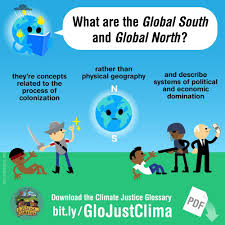
Reflecting on Barack Obama’s first year in office we can see evidence of these two kinds of influences on his policymaking. Obama evidenced pragmatism in his performance at the first G20 meeting in London last spring. He engaged in public and private diplomacy and seemed to hear demands from the Global South about increasing its representation in the International Monetary Fund and World Bank. At the G20 meeting and elsewhere in his travels he admitted that the United States is responsible for some of the world’s problems.
Shortly after G20, Obama met with leaders of Western Hemisphere countries and was caught on camera shaking hands with Hugo Chavez of Venezuela. In addition, he lifted some Bush era restrictions on the rights of Cuban Americans to travel to the island to visit relatives and increased the amount of money relatives could send to Cuba.
As to the Middle East and Persian Gulf, Obama demanded that the Israeli government halt construction of settlements in the occupied territories and began modest troop reductions from Iraq as part of a phased withdrawal. The President initiated some dialogue with the regime in Iran over the latter’s nuclear program.
In addition pragmatist Obama condemned the military coup in Honduras. And he canceled construction of a US missile shield in Eastern Europe.
However, the President has embraced a variety of policies that resemble those of his predecessors. He committed the United States to establishing seven US military bases in various parts of Colombia. This projected military presence has been coupled with strong words critical of the regime in Venezuela. Despite growing expectations, the Obama administration has not publicly demanded an end to the embargo of Cuba nor has his government acted to reverse the sentences of the Cuban 5. No significant action has been taken to insure that those who carried out the coup against President Zelaya step down. In fact, the administration has declared that it will respect the recently completed Honduran election.
The Obama administration seemed to reduce the pressure it originally applied to Israel about the occupied territories and ongoing violence against the Palestinian people. There still is a large US troop presence in Iraq. Defense Department budget requests continue to rise (despite a few publicized cases of contract cancellations for individual weapons systems).
Finally, President Obama last week announced a substantial increase of some 30,000 US troops to Afghanistan. He claimed that it was necessary to eliminate Al Queda from Afghanistan (even though there are less than 100 in the country) and keep the Taliban from power, even though the current Afghan regime is riddled with corruption and the eight-year war resembles the quagmire that was the Vietnam War.
While the political philosophy articulated or implied by President Obama is far from that of the neo-conservatives, these concrete policies that he has embraced do in fact resemble Reagan/Bush era policies. The language the current president uses to defend these policies do not have the apocalyptic and zealous quality that his predecessors utilized, but the consequences for targets of war and US military personnel are the same.
Perhaps the Obama foreign policy can best be described as a “hybrid globalist/pragmatist” approach. The first task of those committed to peace is to demand of the new president that he reverse, not shift toward, the policies of his predecessor.
Last January Jonathan Clarke, co-author of America Alone: The Neo-Conservatives and the World Order, posed a question to readers of BBC News: “With the Bush Administration about to recede into history, a widely asked question is whether the neo-conservative philosophy that underpinned its major foreign policy decisions will likewise vanish from the scene.”
While Clarke tended to believe the answer to the question was “yes,” he did warn that pundits had predicted the end of neo-con influence when President Reagan left office as well.
Clarke then listed several key characteristics of neo-conservative foreign policy:
-viewing the world in terms of the forces of good and evil
-rejection of diplomacy as a tool of international relations
-readiness to use military force as a first tool to achieve global goals
-unilateralism
-disdain and rejection of international organizations
-concentration on the Middle East and the Persian Gulf
Years earlier I had labeled the neo-conservative foreign policy advocates the “globalists.” They were committed to an unbridled use of force to transform the world in the political, military, and economic interests of the United States. The doctrine of preemption epitomized this approach to the world. In his National Security Strategy document of 2002, and elsewhere, President Bush asserted the right to engage in military action against nations and/or groups that the United States perceived as a threat. The days of deterrence were over. The United States was prepared to act first.
While globalists dominated United States foreign policy off and on for the last thirty years, they have been challenged by foreign policy influentials I have called the “pragmatists.” Even though both the globalists and pragmatists are driven by the needs of capitalist expansion, the pragmatists see the world as much more complex and demanding of a variety of approaches to other countries and peoples.
Globalists are committed to acting unilaterally while pragmatists are multilateralists; that is they prefer to act in coalition with other nations. Pragmatists regard diplomacy as an important tool for relating to other nations, even when others are enemies.
Whereas globalists are militarists, pragmatists regard the use of the military as a last resort. And when pragmatists endorse the use of violence to achieve particular goals they choose subversion and small wars to big ones. Pragmatists regard international organizations as a site for diplomacy, coalition-building, and engaging in behaviors designed to communicate respect rather than distain for others. And finally, pragmatists usually embrace deterrence, rather than preemption, as their military doctrine.
Reflecting on Barack Obama’s first year in office we can see evidence of these two kinds of influences on his policymaking. Obama evidenced pragmatism in his performance at the first G20 meeting in London last spring. He engaged in public and private diplomacy and seemed to hear demands from the Global South about increasing its representation in the International Monetary Fund and World Bank. At the G20 meeting and elsewhere in his travels he admitted that the United States is responsible for some of the world’s problems.
Shortly after G20, Obama met with leaders of Western Hemisphere countries and was caught on camera shaking hands with Hugo Chavez of Venezuela. In addition, he lifted some Bush era restrictions on the rights of Cuban Americans to travel to the island to visit relatives and increased the amount of money relatives could send to Cuba.
As to the Middle East and Persian Gulf, Obama demanded that the Israeli government halt construction of settlements in the occupied territories and began modest troop reductions from Iraq as part of a phased withdrawal. The President initiated some dialogue with the regime in Iran over the latter’s nuclear program.
In addition pragmatist Obama condemned the military coup in Honduras. And he canceled construction of a US missile shield in Eastern Europe.
However, the President has embraced a variety of policies that resemble those of his predecessors. He committed the United States to establishing seven US military bases in various parts of Colombia. This projected military presence has been coupled with strong words critical of the regime in Venezuela. Despite growing expectations, the Obama administration has not publicly demanded an end to the embargo of Cuba nor has his government acted to reverse the sentences of the Cuban 5. No significant action has been taken to insure that those who carried out the coup against President Zelaya step down. In fact, the administration has declared that it will respect the recently completed Honduran election.
The Obama administration seemed to reduce the pressure it originally applied to Israel about the occupied territories and ongoing violence against the Palestinian people. There still is a large US troop presence in Iraq. Defense Department budget requests continue to rise (despite a few publicized cases of contract cancellations for individual weapons systems).
Finally, President Obama last week announced a substantial increase of some 30,000 US troops to Afghanistan. He claimed that it was necessary to eliminate Al Queda from Afghanistan (even though there are less than 100 in the country) and keep the Taliban from power, even though the current Afghan regime is riddled with corruption and the eight-year war resembles the quagmire that was the Vietnam War.
While the political philosophy articulated or implied by President Obama is far from that of the neo-conservatives, these concrete policies that he has embraced do in fact resemble Reagan/Bush era policies. The language the current president uses to defend these policies do not have the apocalyptic and zealous quality that his predecessors utilized, but the consequences for targets of war and US military personnel are the same.
Perhaps the Obama foreign policy can best be described as a “hybrid globalist/pragmatist” approach. The first task of those committed to peace is to demand of the new president that he reverse, not shift toward, the policies of his predecessor.
Tuesday, December 1, 2009
HE CANNOT BELIEVE WHAT HE IS GOING TO SAY ABOUT AFGHANISTAN
Harry Targ
After a 1966 presentation by Dean Rusk before the Senate Foreign Relations Committee Senator Clifford Case of New Jersey commented about the Secretary of State that he could not have believed what he had just said about Vietnam. I thought of Case’s comments the other day after hearing that President Obama was going to announce the sending of 30,000 more troops to Afghanistan with a cost of $40 billion.
The President is a smart man. He knows that the demonic image of Al Qaeda as a world wide threat to the United States is about as accurate as the old story about the threat of international communism during the Cold War. He has to know that the Taliban and Al Qaeda have their own separate agendas. He has to understand that the Taliban have been motivated by two concerns: corrupt local government and foreign occupation of their country. Further, he has got to know that these foreign forces cannot subdue or defeat the Taliban in their own country because the population prefers them to the foreigners who are killing civilians and destroying what survives of their desperately poor country.
The President knows that his predecessor gained world wide condemnation for ignoring the traditional international relations tool of diplomacy. He has to see that countries in the region and those that share common cultures, languages, and religions are more likely to be able to defuse conflicts than the Christian superpower from North America.
Yes indeed, the President is a smart man. He knows that military spokespersons have always proposed exaggerated battle plans guaranteeing such favorable results as defeating indigenous enemies and strengthening friendly governments while enhancing the security of the United States. And most of all, Obama has to know what the Vietnam War did to the United States.
The Permanent War Economy
If he knows all these things why is the president going to expand U.S. military operations in Afghanistan? The answer to the question has its roots in the formation of the permanent war economy. The PWE was constructed during World War II as government, the corporate sector, and the military mobilized to defeat fascist armies in Europe and Asia. While others demobilized after the war (or were forced to do so), the United States launched a several trillion dollar program to build the largest war machine in world history.
As economist Ismael Hossein-zadeh reported, military spending has been the second largest item in the federal budget behind social security, which is really a self-financed fund. Quoting from William Hartung, U.S. military spending in 2008 was greater than the entire world combined and thirty times greater than all State Department operations. Military programs constituted over fifty percent of all discretionary spending.
Pollin and Garret-Peltier added that military spending rose from 3 percent to 4.3 percent of the GDP during the Bush years. In 2008, military spending in excess of $600 billion created approximately five million jobs, both military and defense industry related. As Seymour Melman documented years ago, military spending meant funding a huge bureaucracy, contracts for the defense industry, and sub-contracts for manufacturers that produce goods that find their way into weapons systems. Nowadays spending includes private armies, security forces, civilian contracted services for the military, homeland security programs, large grants to major research universities, and many more activities funded and related to military missions.
Of course, military spending is never justified in narrow institutional terms but rather in terms of grand projects and campaigns; fighting communism, combating terrorism, or checking drug smuggling. These campaigns are presented as almost timeless. For example, Tom Hayden has alerted us to the doctrine of the “long war” quoting a counter-insurgency strategist who in 2004 wrote that “there is a growing realization that the most likely conflicts of the next fifty years will be irregular warfare in an ‘Arc of Instability’ that encompasses much of the greater Middle East and parts of Africa and Central and South Asia.”
These campaigns are reinforced by the general proposition embedded in our political culture that there always has been war and there will always be war. Generals and media pundits from time to time comment on the need for this or that weapon system “for the next war.” The scourge of war will always be with us.
Threats to the Primacy of the Permanent War Economy
Debate about military missions today comes in the context of deep economic crisis and growing demands for scarce societal resources. Banks had to be bailed out. One in eight Americans are on food stamps. Health care needs to be reformed. Millions of people need jobs. Logic would suggest cutting back on military spending particularly since Pollin and Garrett-Peltier have shown once again that each billion in government expenditures in education would create almost three times more jobs than military spending. In fact, government investment in every civilian activity generates more jobs than investment in the military.
The newly released Economic Policy Institute “American Jobs Plan” includes a proposal for a $40 billion per year allocation of government funds to create one million public service jobs. The cost of this aspect of the EPI jobs program could be paid for with funds that will be going to expanding the war in Afghanistan instead.
So when we ask ourselves why military operations in Afghanistan will be expanded the answer seems clear. First, the military constitutes the largest organized, armed, and funded institution in American society. In today’s political economy it stands shoulder to shoulder with Wall Street as a source of almost unstoppable resistance to change. Second, military largesse trickles down throughout the society affecting manufacturing, scientific research, education, private armies, spy operations, and myriad other activities. Third, pentagon elites see the danger of this new administration reallocating spending to meet the needs of a crisis-ridden economy: health care, jobs, education, and transportation (it is interesting to note that Senators Lugar and Graham already have called for shelving health care reform until the battle in Afghanistan has been won). Finally, military institutional interests demanding increasing shares of government money use in their advocacy expanding wars playing upon the deeply embedded war-proneness of American culture.
What are the consequences of this analysis for peace? One conclusion is that grassroots activists must take on the permanent war economy. It has been an enduring feature of American foreign and domestic policy since the end of World War II. The wastefulness of military spending, the folly of claims made justifying each and every war, and the war culture must be challenged. In addition, peace and justice movements must show clearly that every dollar that is allocated for the military is a dollar that is not used to sustain life, create jobs, promote education, and provide for health care.
After a 1966 presentation by Dean Rusk before the Senate Foreign Relations Committee Senator Clifford Case of New Jersey commented about the Secretary of State that he could not have believed what he had just said about Vietnam. I thought of Case’s comments the other day after hearing that President Obama was going to announce the sending of 30,000 more troops to Afghanistan with a cost of $40 billion.
The President is a smart man. He knows that the demonic image of Al Qaeda as a world wide threat to the United States is about as accurate as the old story about the threat of international communism during the Cold War. He has to know that the Taliban and Al Qaeda have their own separate agendas. He has to understand that the Taliban have been motivated by two concerns: corrupt local government and foreign occupation of their country. Further, he has got to know that these foreign forces cannot subdue or defeat the Taliban in their own country because the population prefers them to the foreigners who are killing civilians and destroying what survives of their desperately poor country.
The President knows that his predecessor gained world wide condemnation for ignoring the traditional international relations tool of diplomacy. He has to see that countries in the region and those that share common cultures, languages, and religions are more likely to be able to defuse conflicts than the Christian superpower from North America.
Yes indeed, the President is a smart man. He knows that military spokespersons have always proposed exaggerated battle plans guaranteeing such favorable results as defeating indigenous enemies and strengthening friendly governments while enhancing the security of the United States. And most of all, Obama has to know what the Vietnam War did to the United States.
The Permanent War Economy
If he knows all these things why is the president going to expand U.S. military operations in Afghanistan? The answer to the question has its roots in the formation of the permanent war economy. The PWE was constructed during World War II as government, the corporate sector, and the military mobilized to defeat fascist armies in Europe and Asia. While others demobilized after the war (or were forced to do so), the United States launched a several trillion dollar program to build the largest war machine in world history.
As economist Ismael Hossein-zadeh reported, military spending has been the second largest item in the federal budget behind social security, which is really a self-financed fund. Quoting from William Hartung, U.S. military spending in 2008 was greater than the entire world combined and thirty times greater than all State Department operations. Military programs constituted over fifty percent of all discretionary spending.
Pollin and Garret-Peltier added that military spending rose from 3 percent to 4.3 percent of the GDP during the Bush years. In 2008, military spending in excess of $600 billion created approximately five million jobs, both military and defense industry related. As Seymour Melman documented years ago, military spending meant funding a huge bureaucracy, contracts for the defense industry, and sub-contracts for manufacturers that produce goods that find their way into weapons systems. Nowadays spending includes private armies, security forces, civilian contracted services for the military, homeland security programs, large grants to major research universities, and many more activities funded and related to military missions.
Of course, military spending is never justified in narrow institutional terms but rather in terms of grand projects and campaigns; fighting communism, combating terrorism, or checking drug smuggling. These campaigns are presented as almost timeless. For example, Tom Hayden has alerted us to the doctrine of the “long war” quoting a counter-insurgency strategist who in 2004 wrote that “there is a growing realization that the most likely conflicts of the next fifty years will be irregular warfare in an ‘Arc of Instability’ that encompasses much of the greater Middle East and parts of Africa and Central and South Asia.”
These campaigns are reinforced by the general proposition embedded in our political culture that there always has been war and there will always be war. Generals and media pundits from time to time comment on the need for this or that weapon system “for the next war.” The scourge of war will always be with us.
Threats to the Primacy of the Permanent War Economy
Debate about military missions today comes in the context of deep economic crisis and growing demands for scarce societal resources. Banks had to be bailed out. One in eight Americans are on food stamps. Health care needs to be reformed. Millions of people need jobs. Logic would suggest cutting back on military spending particularly since Pollin and Garrett-Peltier have shown once again that each billion in government expenditures in education would create almost three times more jobs than military spending. In fact, government investment in every civilian activity generates more jobs than investment in the military.
The newly released Economic Policy Institute “American Jobs Plan” includes a proposal for a $40 billion per year allocation of government funds to create one million public service jobs. The cost of this aspect of the EPI jobs program could be paid for with funds that will be going to expanding the war in Afghanistan instead.
So when we ask ourselves why military operations in Afghanistan will be expanded the answer seems clear. First, the military constitutes the largest organized, armed, and funded institution in American society. In today’s political economy it stands shoulder to shoulder with Wall Street as a source of almost unstoppable resistance to change. Second, military largesse trickles down throughout the society affecting manufacturing, scientific research, education, private armies, spy operations, and myriad other activities. Third, pentagon elites see the danger of this new administration reallocating spending to meet the needs of a crisis-ridden economy: health care, jobs, education, and transportation (it is interesting to note that Senators Lugar and Graham already have called for shelving health care reform until the battle in Afghanistan has been won). Finally, military institutional interests demanding increasing shares of government money use in their advocacy expanding wars playing upon the deeply embedded war-proneness of American culture.
What are the consequences of this analysis for peace? One conclusion is that grassroots activists must take on the permanent war economy. It has been an enduring feature of American foreign and domestic policy since the end of World War II. The wastefulness of military spending, the folly of claims made justifying each and every war, and the war culture must be challenged. In addition, peace and justice movements must show clearly that every dollar that is allocated for the military is a dollar that is not used to sustain life, create jobs, promote education, and provide for health care.
Saturday, November 21, 2009
DOING PROGRESSIVE POLITICS IN THE AGE OF CHAOS
Harry Targ
The world is a mess. Progressive movements for change are frantically trying to beat back reaction and offering anything from patchwork to global solutions to our problems. I think we need to stop, take a deep breath, and reflect on the political, economic, cultural, and technological context in which we live. We need to reflect because we now find ourselves in a new age, the Age of Chaos
What elements constitute “the Age of Chaos?” Here is a short list for starters.
First, we are barraged with and respond to a whole array of problems which have the potential for exacerbating hunger, disease, violence and war. We organize around military spending, stopping the wars in Afghanistan and Iraq, and ending Israeli violence and exploitation of the Palestinian people. Domestically, we mobilize around health care, jobs, the struggle for immigrant rights, an end to racism, and justice for women. We are being dragged into the twenty-first century by our friends in the environmental movement because they compelling argue that fixing the planet requires major change and fast.
Second, we have too many groups that are part of the progressive majority. Years ago, Mike Davis wrote that the virtue of progressive politics in the United States (as opposed to Europe at that time) was that it was distributed in a whole array of single issue groups. He was reacting, I think, to some of the rigidities of old left politics. Now, I believe, we have too many single issue groups, each with the ownership of the most important problem Americans face.
Third, the confusion is multiplied by the profusion of demands, positions, lobbying campaigns, and iconic spokespersons’ declarations. And since most of us are tiptoeing in a relatively new twenty-first century political terrain, each position is potentially useful.
Fourth, we live in an age where the fundamental contradictions in the political economy have surfaced in their unbridled brutality. Just looking back to the onset of the “neo-liberal” age in the late Carter and Reagan period we see massive cuts in government programs; deregulations of banks and corporations; ruthless efforts to destroy unions; and huge tax breaks for the rich. Government policies rewarded shifting corporate investments overseas and shifting from an economy based on the production of goods and services to one based on financial speculation. And to protect the ruling class from growing reactions of outrage, the U.S. government launched more wars, covert interventions, and police violence at home.
The short of the story here is that the political and economic system in which we live does not work. And proposed programs and visions of something better, as suggested above, are in their infancy.
Finally, the morass of issues, groups, proposals for change, and the fundamental contradictions of capitalism have been aggravated by qualitative technological and cultural changes. Of course, the computer age is central to this point. As writers such as David Harvey, the Marxist geographer, have pointed out, globalization means the declining salience of time and space. With instantaneous communication across the vast worldwide landscape, consciousness of time, as ordering human experience and particularly regulating work, has changed. The capacity to communicate immediately without reflection changes how all of us behave. Also, the diminution of space means the loss of community, a sense of place, a consciousness of doing politics with like-minded others who we may know and share common experiences with, such as our fellow workers.
Further, our new sources of information provide instant information of all kinds. We can watch, hear, and read “stuff’ about the world 24/7. In fact we are barraged with information, including information we can add to the vast cyber pool of stuff for any and all to see (such as this blog entry).
At least two consequences flow from this new technological age. The media that control our lives on the one hand are as consolidated as ever in history such that ten media corporations control about half of all that we read, see, and hear. And they enter our lives in all our spaces, from offices to homes. Our world experience is shaped for us by a handful of multinational corporations. However, and in contradiction to the monopoly of culture, the new technology affords the greatest possibility of mass participation in global dialogue in human history (at least so far). Paradoxically we suffer from too much control of information and too much democracy at the same time. In the end, we have much too much media “stuff” to process, use and discard.
Perhaps the most troubling aspect of the new technology and culture is what Fredric Jameson alerted us to: the institution of a post modern culture. This post modern culture, the 24/7 culture, the culture with little or no use for time and space, is anti-historical. It is a political culture without any historical referents, any sense of the connection between people’s work lives and struggle in the past and their experiences today, and no sense of what might be useful to know today about how mass movements were build in the past for today
Where do we as progressives go from here? I am not sure. But it may be that all these aspects of the Age of Chaos are direct results of our lack of a theory that can be used to make sense to us and to others we wish to reach about why the world is the way it is. This theory would provide a compelling, historical explanation of the basics of capitalism, how it works and in the end cannot work, and who and what can bring about its transformation. This theory needs to be historical, analytical, able to incorporate in its analyses contradictory forces, and convincingly explains how economics is indelibly interconnected with politics, society, culture, and the environment. And this theory needs to give some direction for our work that links the past to the present and to the future. Ultimately it is concrete political activism that changes the world but an activism that is guided by coherent explanations of the inter-connectedness of our world. Building this theory is essential for replacing the Age of Chaos with an Age of Justice.
The world is a mess. Progressive movements for change are frantically trying to beat back reaction and offering anything from patchwork to global solutions to our problems. I think we need to stop, take a deep breath, and reflect on the political, economic, cultural, and technological context in which we live. We need to reflect because we now find ourselves in a new age, the Age of Chaos
What elements constitute “the Age of Chaos?” Here is a short list for starters.
First, we are barraged with and respond to a whole array of problems which have the potential for exacerbating hunger, disease, violence and war. We organize around military spending, stopping the wars in Afghanistan and Iraq, and ending Israeli violence and exploitation of the Palestinian people. Domestically, we mobilize around health care, jobs, the struggle for immigrant rights, an end to racism, and justice for women. We are being dragged into the twenty-first century by our friends in the environmental movement because they compelling argue that fixing the planet requires major change and fast.
Second, we have too many groups that are part of the progressive majority. Years ago, Mike Davis wrote that the virtue of progressive politics in the United States (as opposed to Europe at that time) was that it was distributed in a whole array of single issue groups. He was reacting, I think, to some of the rigidities of old left politics. Now, I believe, we have too many single issue groups, each with the ownership of the most important problem Americans face.
Third, the confusion is multiplied by the profusion of demands, positions, lobbying campaigns, and iconic spokespersons’ declarations. And since most of us are tiptoeing in a relatively new twenty-first century political terrain, each position is potentially useful.
Fourth, we live in an age where the fundamental contradictions in the political economy have surfaced in their unbridled brutality. Just looking back to the onset of the “neo-liberal” age in the late Carter and Reagan period we see massive cuts in government programs; deregulations of banks and corporations; ruthless efforts to destroy unions; and huge tax breaks for the rich. Government policies rewarded shifting corporate investments overseas and shifting from an economy based on the production of goods and services to one based on financial speculation. And to protect the ruling class from growing reactions of outrage, the U.S. government launched more wars, covert interventions, and police violence at home.
The short of the story here is that the political and economic system in which we live does not work. And proposed programs and visions of something better, as suggested above, are in their infancy.
Finally, the morass of issues, groups, proposals for change, and the fundamental contradictions of capitalism have been aggravated by qualitative technological and cultural changes. Of course, the computer age is central to this point. As writers such as David Harvey, the Marxist geographer, have pointed out, globalization means the declining salience of time and space. With instantaneous communication across the vast worldwide landscape, consciousness of time, as ordering human experience and particularly regulating work, has changed. The capacity to communicate immediately without reflection changes how all of us behave. Also, the diminution of space means the loss of community, a sense of place, a consciousness of doing politics with like-minded others who we may know and share common experiences with, such as our fellow workers.
Further, our new sources of information provide instant information of all kinds. We can watch, hear, and read “stuff’ about the world 24/7. In fact we are barraged with information, including information we can add to the vast cyber pool of stuff for any and all to see (such as this blog entry).
At least two consequences flow from this new technological age. The media that control our lives on the one hand are as consolidated as ever in history such that ten media corporations control about half of all that we read, see, and hear. And they enter our lives in all our spaces, from offices to homes. Our world experience is shaped for us by a handful of multinational corporations. However, and in contradiction to the monopoly of culture, the new technology affords the greatest possibility of mass participation in global dialogue in human history (at least so far). Paradoxically we suffer from too much control of information and too much democracy at the same time. In the end, we have much too much media “stuff” to process, use and discard.
Perhaps the most troubling aspect of the new technology and culture is what Fredric Jameson alerted us to: the institution of a post modern culture. This post modern culture, the 24/7 culture, the culture with little or no use for time and space, is anti-historical. It is a political culture without any historical referents, any sense of the connection between people’s work lives and struggle in the past and their experiences today, and no sense of what might be useful to know today about how mass movements were build in the past for today
Where do we as progressives go from here? I am not sure. But it may be that all these aspects of the Age of Chaos are direct results of our lack of a theory that can be used to make sense to us and to others we wish to reach about why the world is the way it is. This theory would provide a compelling, historical explanation of the basics of capitalism, how it works and in the end cannot work, and who and what can bring about its transformation. This theory needs to be historical, analytical, able to incorporate in its analyses contradictory forces, and convincingly explains how economics is indelibly interconnected with politics, society, culture, and the environment. And this theory needs to give some direction for our work that links the past to the present and to the future. Ultimately it is concrete political activism that changes the world but an activism that is guided by coherent explanations of the inter-connectedness of our world. Building this theory is essential for replacing the Age of Chaos with an Age of Justice.
Tuesday, November 17, 2009
ROGUES AND CENTRISTS: HOW MEDIA FRAME THE WORLD
Harry Targ
“Moderate Republicans-yes, they are not extinct, though most are in hiding-scoff at Sarah Palin and wish she would go away.”
“Reagan piously gave lip service to the right-wing social agenda while doing nothing to further it by legislation.”
“The ‘Gipper’ talked tough about the Russians-while doing more that any other president to foster détente.”
“But it’s no coincidence the Eisenhower ‘50s and Reagan ‘80s were periods of unusual peace and prosperity.”
(Evan Thomas, “Gone Rogue,” Newsweek, November 23, 2009).
“Hitherto men have constantly made up for themselves false conceptions about themselves, about what they are and what they ought to be. They have arranged their relationships according to their ideas of God, of normal man, etc.” (from Karl Marx, ‘Preface,’ The German Ideology)
Insights from Social Science
A long time ago the eminent political scientist Murray Edelman wrote a book entitled The Symbolic Uses of Politics. In it he postulated that most people experience the political world not through concrete reality but through emotional symbols. For example, the classic way in which people relate to their political institutions is through the flag of their nation. Americans viewing the flag see images of men in combat fighting for freedom or men and women standing in line waiting to vote for their preferred political candidates. A colorful cloth with stars and stripes gets transformed in our consciousness into a rich, glamorized history even when the emotive images are in direct contradiction with people’s lives.
In addition, Edelman suggests the ways in which the emotional symbols get embedded and reinforced in the consciousness of peoples by borrowing from anthropological writings on myth and ritual. Myths are networks of emotional symbols that collectively tell a story that explains “reality.” Rituals reinforce in behavior the mythology of public life. We need only reflect on the pledge to the flag that opens elementary and secondary school class sessions in rich and poor communities alike or regular meetings of AFL-CIO labor councils.
Edelman pointed out that emotional symbols (he called them “condensational”) provide the primary way people connect with the world beyond immediate experience. The extraordinary complexity of the modern world is reduced to a series of powerful symbols such as the threats of “international communism” or “terrorism.”
Media analyst Todd Gitlin, wrote about “media frames;” that is the ways in which media construct the symbols and myths that shape information about the world. Print media shapes what we read, who are regarded as authoritative spokespersons, and what visual images shape our thinking about countries, issues such as war and peace, trade, investment, and the global climate. Television emphasizes visual images rather than words. Whatever the media form, points of view are embedded in the words and images communicated.
Writers such as Noam Chomsky, Michael Parenti, and Robert McChesney accept implicitly Edelman’s counsel that people experience the world indirectly and usually in emotional form. They also assume, as does Gitlin, that what we read, see, and hear about the world is framed for us. They go further to suggest that what Marx called the “false conceptions about ourselves” in symbols, myths, rituals, and frames are usually the product of ruling class interests.
Enter Rogues and Centrists
The Newsweek article cited above was selected not because it was unique but rather because it was representative of ongoing and dominant media discourse. Sarah Palin, while popular with an undetermined but substantial segment of the U.S. population, is presented as an extremist. The article hastens to add that a similar collection of “Democrats can be just as rigidly partisan on the left.” The article suggests that these extremes represent big problems for the political parties in which they operate and most importantly this “polarization” is a threat to the wellbeing of the United States itself.
The article then refers to the “two greatest postwar presidents,” Dwight Eisenhower and Ronald Reagan. They were great in part because they presided over two periods, the 50s and the 80s, “of unusual peace and prosperity.” Reagan was the president who did the most to stimulate détente with the former Soviet Union.
In addition to this curious revisionism about “peace and prosperity,” the author claimed that while these two presidents were products of conservatism in their respective Republican parties, they ruled from the center.
To generalize from this extraordinary historical rendition, therefore, contemporary politicians must learn that “populism” from the left or right must be avoided if American society is to survive and thrive.
Further, the article says that the Eisenhower and Reagan years symbolize peace. The collapse of the former Soviet Union occurred because of the policies of the latter. And, despite an enormous array of data and human experiences to the contrary, the 50s and 80s were years of prosperity as well as peace. One can conclude from the description that history is myth, symbol, and ritual and it is packaged and provided to us in media form as frames.
Perhaps the most potent assumption embedded in this mystification is the proposition that only centrist politics can work.
What role for the Rogues?
It is clear that the centrist agenda could not be defended on its own terms. It is an agenda that supports militarism, financial speculation, deindustrialization, and globalization. The byproducts of these processes are experienced directly by working people throughout the country as joblessness, declining real wages, inadequate access to health care, education, and transportation, and forms of pollution that can be seen from many people’s bedroom windows. But if Americans can see “extremism” from the “left and right,” often shown on the screen as screaming protestors, then the centrist logic becomes more compelling even though people know that centrism means a weak public option in health care and Wall Streeters regulating themselves.
And which political extremist today can better promote the symbols, myths and centrist media frame than Sarah Palin. So while journalists and their bosses have nothing but scorn for her, she is trumpeted on every news and talk show on television.
The analysis above is not too surprising but what remains more difficult is figuring out a progressive agenda for recapturing the production of symbols and myths and establishing a space to provide more effectively alternative media frames. While alternative media and advocacy groups exist the need to develop a national and global progressive media agenda still is required.
“Moderate Republicans-yes, they are not extinct, though most are in hiding-scoff at Sarah Palin and wish she would go away.”
“Reagan piously gave lip service to the right-wing social agenda while doing nothing to further it by legislation.”
“The ‘Gipper’ talked tough about the Russians-while doing more that any other president to foster détente.”
“But it’s no coincidence the Eisenhower ‘50s and Reagan ‘80s were periods of unusual peace and prosperity.”
(Evan Thomas, “Gone Rogue,” Newsweek, November 23, 2009).
“Hitherto men have constantly made up for themselves false conceptions about themselves, about what they are and what they ought to be. They have arranged their relationships according to their ideas of God, of normal man, etc.” (from Karl Marx, ‘Preface,’ The German Ideology)
Insights from Social Science
A long time ago the eminent political scientist Murray Edelman wrote a book entitled The Symbolic Uses of Politics. In it he postulated that most people experience the political world not through concrete reality but through emotional symbols. For example, the classic way in which people relate to their political institutions is through the flag of their nation. Americans viewing the flag see images of men in combat fighting for freedom or men and women standing in line waiting to vote for their preferred political candidates. A colorful cloth with stars and stripes gets transformed in our consciousness into a rich, glamorized history even when the emotive images are in direct contradiction with people’s lives.
In addition, Edelman suggests the ways in which the emotional symbols get embedded and reinforced in the consciousness of peoples by borrowing from anthropological writings on myth and ritual. Myths are networks of emotional symbols that collectively tell a story that explains “reality.” Rituals reinforce in behavior the mythology of public life. We need only reflect on the pledge to the flag that opens elementary and secondary school class sessions in rich and poor communities alike or regular meetings of AFL-CIO labor councils.
Edelman pointed out that emotional symbols (he called them “condensational”) provide the primary way people connect with the world beyond immediate experience. The extraordinary complexity of the modern world is reduced to a series of powerful symbols such as the threats of “international communism” or “terrorism.”
Media analyst Todd Gitlin, wrote about “media frames;” that is the ways in which media construct the symbols and myths that shape information about the world. Print media shapes what we read, who are regarded as authoritative spokespersons, and what visual images shape our thinking about countries, issues such as war and peace, trade, investment, and the global climate. Television emphasizes visual images rather than words. Whatever the media form, points of view are embedded in the words and images communicated.
Writers such as Noam Chomsky, Michael Parenti, and Robert McChesney accept implicitly Edelman’s counsel that people experience the world indirectly and usually in emotional form. They also assume, as does Gitlin, that what we read, see, and hear about the world is framed for us. They go further to suggest that what Marx called the “false conceptions about ourselves” in symbols, myths, rituals, and frames are usually the product of ruling class interests.
Enter Rogues and Centrists
The Newsweek article cited above was selected not because it was unique but rather because it was representative of ongoing and dominant media discourse. Sarah Palin, while popular with an undetermined but substantial segment of the U.S. population, is presented as an extremist. The article hastens to add that a similar collection of “Democrats can be just as rigidly partisan on the left.” The article suggests that these extremes represent big problems for the political parties in which they operate and most importantly this “polarization” is a threat to the wellbeing of the United States itself.
The article then refers to the “two greatest postwar presidents,” Dwight Eisenhower and Ronald Reagan. They were great in part because they presided over two periods, the 50s and the 80s, “of unusual peace and prosperity.” Reagan was the president who did the most to stimulate détente with the former Soviet Union.
In addition to this curious revisionism about “peace and prosperity,” the author claimed that while these two presidents were products of conservatism in their respective Republican parties, they ruled from the center.
To generalize from this extraordinary historical rendition, therefore, contemporary politicians must learn that “populism” from the left or right must be avoided if American society is to survive and thrive.
Further, the article says that the Eisenhower and Reagan years symbolize peace. The collapse of the former Soviet Union occurred because of the policies of the latter. And, despite an enormous array of data and human experiences to the contrary, the 50s and 80s were years of prosperity as well as peace. One can conclude from the description that history is myth, symbol, and ritual and it is packaged and provided to us in media form as frames.
Perhaps the most potent assumption embedded in this mystification is the proposition that only centrist politics can work.
What role for the Rogues?
It is clear that the centrist agenda could not be defended on its own terms. It is an agenda that supports militarism, financial speculation, deindustrialization, and globalization. The byproducts of these processes are experienced directly by working people throughout the country as joblessness, declining real wages, inadequate access to health care, education, and transportation, and forms of pollution that can be seen from many people’s bedroom windows. But if Americans can see “extremism” from the “left and right,” often shown on the screen as screaming protestors, then the centrist logic becomes more compelling even though people know that centrism means a weak public option in health care and Wall Streeters regulating themselves.
And which political extremist today can better promote the symbols, myths and centrist media frame than Sarah Palin. So while journalists and their bosses have nothing but scorn for her, she is trumpeted on every news and talk show on television.
The analysis above is not too surprising but what remains more difficult is figuring out a progressive agenda for recapturing the production of symbols and myths and establishing a space to provide more effectively alternative media frames. While alternative media and advocacy groups exist the need to develop a national and global progressive media agenda still is required.
Sunday, November 8, 2009
HISTORY AS POLITICS, POLITICS AS HISTORY: REMEMBERING THE BERLIN WALL
Harry Targ
“…you are Americans and are meant to carry liberty and justice and the principles of humanity wherever you go, go out and sell goods that will make the world more comfortable and more happy, and convert them to the principles of America.” (Woodrow Wilson shortly after the Russian Revolution quoted in L.S. Stavrianos, Global Rift, 1981, 492.)
“there are two great evils at work in the world today, Absolutism, the power of which is waning, Bolshevism, the power of which is increasing. We have seen the hideous consequences of Bolshevik rule in Russia, and we know that the doctrine is spreading westward. The possibility of proletarian despotism over Central Europe is terrible to contemplate.”(Secretary of State Robert Lansing shortly after the Russian Revolution in Stavrianos, 494).
“ Daniel Barenboim, who was in town the night the Berlin Wall came down in 1989,” …said that “the fall of the wall ‘has changed so much of Europe for the better,’ Barenboim said in an interview at the Berlin Staatsoper, where he is chief conductor. ‘It has given so many thousands, probably millions of people, a better existence’” (Catherine Hickley, Washington Post, November 8, 2009)
Debasing the Socialist Vision
Reflections on the anniversary of the tearing down of the Berlin Wall in 1989 should stimulate a reexamination of the pain and suffering of the twentieth century. It was a century in which over 100 million died in wars all around the globe (60 million alone in the two World Wars). Nazis killed six million Jews and six million others in Europe: liberals, communists, gays, opponents of genocide of every persuasion. And, during the Cold War years (1945 to 1991) approximately six million Vietnamese and Korean peoples died in wars and hundreds of thousands in Central Europe, Latin American, and South Asia.
The great revolutions of the twentieth century promised a different outcome for humankind: peace, justice, and democracy. Perhaps the biggest disappointment, the gap between the dream and the practice, resulted from the failures of the former Soviet Union. Masses of its citizens died in campaigns to collectivize agriculture and the purge of dissidents. The regime developed an omnipresent dictatorship and following the revelations about Stalinism evolved into an autocratic state driven by top down bureaucracy. In addition, the Soviet Union would not tolerate political independence from the Socialist states of Eastern Europe, invading both Hungary and Czechoslovakia to crush reform movements. So from this vantage point, the tearing down of the Berlin Wall was cause for celebration.
But History is Complicated
However, as the sentiments of President Wilson and his Secretary of State suggest, the United States as superpower emerged from World War I to embark on a global campaign to crush the new Soviet Union economically. As we know, the United States, along with a dozen other nations sent troops into the Soviet Union to help counter-revolutionaries overthrow the new Bolshevik regime.
In subsequent years, until 1933, the United States refused to recognize the Soviet Union. Western powers watched as Germany rearmed and expanded its control across the heartland of Europe. Italian fascist armies and German airpower were used to destroy democratic Spain, again with the United States and the British on the sidelines.
After the war, the Truman Administration launched a “cold war,” against the Soviet Union. It transferred resources to Western Europe to rebuild the capitalist part of it. It unleashed covert operators to infiltrate trade unions and political parties in Europe and Latin America and began beaming propaganda and sending operatives into Eastern Europe to undermine Soviet influence.
Germany was the centerpiece of this new global struggle. As the source of military forces that killed 27 million Soviet citizens in World War II, the status of Germany became most critical to the Soviets. And for the United States a reindustrialized, remilitarized Germany would constitute the centerpiece of the campaign to fight Communism and promote capitalism on the world stage. Ironically, the Cold War started over Germany and could have ended there with a mutually derived agreement to create a neutralized and united Germany (much as was agreed to in Austria). But western diplomats ignored Soviet offers to negotiate the creation of such a Germany.
Without revisiting all the critical points of contestation between the East and the West, it is important to make clear that the Soviet Union, the weaker of the two “superpowers,” was targeted for challenge and defeat by every United States administration from 1917 to 1991. This cost both countries and their allies trillions of dollars in military spending and millions of lives.
The Soviet Union Had Something to Do with Social Change
There were some positive developments during the Cold War years for which the Soviet Union may have made a contribution.
In 1945 most of Africa was still living under the yoke of colonialism. The British, French, Dutch and others still controlled territories and peoples in Asia. The Chinese were mired in a violent civil war. And all of Latin America was “in the backyard” of the United States. Within thirty years all this had changed. Africa achieved its independence, the Communist movement came to power in China, Indochina was freed from French and then American colonialism, and the Cuban revolution provided a beacon of hope for peoples living in the Western Hemisphere.
The Soviet Union provided arms, economic assistance, technical assistance, and inspiration for those seeking independence and economic development. Further, and this may be the most important point, the Soviet Union served as a check on the unbridled expansion of military and economic power of the United States and the Western alliance.
What if the Soviet Union had not collapsed?
Of course, we can never know what might have happened since 1991 if the Soviet Union, after its Eastern European allies, had not collapsed. But we do know what has happened. And we can make educated guesses about what might have happened in a world in which a power competitive in military, economic, and ideological resources with the West still existed.
First, the Gulf War might not have occurred in the way it did, (While the Soviet Union did collaborate with President George Herbert Walker Bush in the fall, 1990, on Gulf War policy, the collaboration was from a position of considerable marginalization). For sure, the Soviet Union would have waged a propaganda war against the U.S. military operation and the economic embargo of Iraq and bombing campaigns that continued throughout the 1990s and, particularly, the second war on Iraq in 2003.
Probably, in the bipolar world of the Cold War, the United States would not have been able to launch a war on Afghanistan and continue it for eight years.
And what about the global economy? Neo-liberal globalization, initiated in the 1980s but expanded to every corner of the globe in the 1990s, would have been checked by Soviet influence and arguments about overweening reliance on the “free market.” The mal-distribution of wealth and income might not have been as grotesque as it has become if there had been a Soviet Union critiquing International Monetary Fund and World Bank policies.
Without exaggerating the influence or good intentions of a surviving Soviet Union, I would argue that the world since 1991 might have been different; particularly given the hundreds of thousands who have died in war since 1991 and the devastating impacts of growing economic inequality.
And Back to Germany
Bruni de la Motte in the Guardian (November, 8, 2009) reported that the collapse of the former German Democratic Republic and its integration into West Germany led to social breakdown of society, widespread unemployment, “crass materialism,” the privatization of public enterprises, farms and forests, and two million lost homes. Hundreds of thousands of professional workers including teachers and professors lost their jobs and were blacklisted because they had been credentialed in the old regime.
There is no question, as one U.S. trade unionist once said to me, the former Soviet Union and the GDR were not “workers’ paradises” but they provided basic economic security to workers. That has long since been lost most places around the world.
And About History
It is a common place now to repeat the old adage: “history is written by the winners.” Old adage or not, the celebration of the twentieth anniversary of the tearing down of the Berlin Wall is being orchestrated by the same kinds of imperial voices that have been raised for almost one hundred years now.
As contentious as it might be, it is time for progressives to revisit the history of the Cold War in a way that is not chauvinistic and self-serving and does not justify current and future wars.
“…you are Americans and are meant to carry liberty and justice and the principles of humanity wherever you go, go out and sell goods that will make the world more comfortable and more happy, and convert them to the principles of America.” (Woodrow Wilson shortly after the Russian Revolution quoted in L.S. Stavrianos, Global Rift, 1981, 492.)
“there are two great evils at work in the world today, Absolutism, the power of which is waning, Bolshevism, the power of which is increasing. We have seen the hideous consequences of Bolshevik rule in Russia, and we know that the doctrine is spreading westward. The possibility of proletarian despotism over Central Europe is terrible to contemplate.”(Secretary of State Robert Lansing shortly after the Russian Revolution in Stavrianos, 494).
“ Daniel Barenboim, who was in town the night the Berlin Wall came down in 1989,” …said that “the fall of the wall ‘has changed so much of Europe for the better,’ Barenboim said in an interview at the Berlin Staatsoper, where he is chief conductor. ‘It has given so many thousands, probably millions of people, a better existence’” (Catherine Hickley, Washington Post, November 8, 2009)
Debasing the Socialist Vision
Reflections on the anniversary of the tearing down of the Berlin Wall in 1989 should stimulate a reexamination of the pain and suffering of the twentieth century. It was a century in which over 100 million died in wars all around the globe (60 million alone in the two World Wars). Nazis killed six million Jews and six million others in Europe: liberals, communists, gays, opponents of genocide of every persuasion. And, during the Cold War years (1945 to 1991) approximately six million Vietnamese and Korean peoples died in wars and hundreds of thousands in Central Europe, Latin American, and South Asia.
The great revolutions of the twentieth century promised a different outcome for humankind: peace, justice, and democracy. Perhaps the biggest disappointment, the gap between the dream and the practice, resulted from the failures of the former Soviet Union. Masses of its citizens died in campaigns to collectivize agriculture and the purge of dissidents. The regime developed an omnipresent dictatorship and following the revelations about Stalinism evolved into an autocratic state driven by top down bureaucracy. In addition, the Soviet Union would not tolerate political independence from the Socialist states of Eastern Europe, invading both Hungary and Czechoslovakia to crush reform movements. So from this vantage point, the tearing down of the Berlin Wall was cause for celebration.
But History is Complicated
However, as the sentiments of President Wilson and his Secretary of State suggest, the United States as superpower emerged from World War I to embark on a global campaign to crush the new Soviet Union economically. As we know, the United States, along with a dozen other nations sent troops into the Soviet Union to help counter-revolutionaries overthrow the new Bolshevik regime.
In subsequent years, until 1933, the United States refused to recognize the Soviet Union. Western powers watched as Germany rearmed and expanded its control across the heartland of Europe. Italian fascist armies and German airpower were used to destroy democratic Spain, again with the United States and the British on the sidelines.
After the war, the Truman Administration launched a “cold war,” against the Soviet Union. It transferred resources to Western Europe to rebuild the capitalist part of it. It unleashed covert operators to infiltrate trade unions and political parties in Europe and Latin America and began beaming propaganda and sending operatives into Eastern Europe to undermine Soviet influence.
Germany was the centerpiece of this new global struggle. As the source of military forces that killed 27 million Soviet citizens in World War II, the status of Germany became most critical to the Soviets. And for the United States a reindustrialized, remilitarized Germany would constitute the centerpiece of the campaign to fight Communism and promote capitalism on the world stage. Ironically, the Cold War started over Germany and could have ended there with a mutually derived agreement to create a neutralized and united Germany (much as was agreed to in Austria). But western diplomats ignored Soviet offers to negotiate the creation of such a Germany.
Without revisiting all the critical points of contestation between the East and the West, it is important to make clear that the Soviet Union, the weaker of the two “superpowers,” was targeted for challenge and defeat by every United States administration from 1917 to 1991. This cost both countries and their allies trillions of dollars in military spending and millions of lives.
The Soviet Union Had Something to Do with Social Change
There were some positive developments during the Cold War years for which the Soviet Union may have made a contribution.
In 1945 most of Africa was still living under the yoke of colonialism. The British, French, Dutch and others still controlled territories and peoples in Asia. The Chinese were mired in a violent civil war. And all of Latin America was “in the backyard” of the United States. Within thirty years all this had changed. Africa achieved its independence, the Communist movement came to power in China, Indochina was freed from French and then American colonialism, and the Cuban revolution provided a beacon of hope for peoples living in the Western Hemisphere.
The Soviet Union provided arms, economic assistance, technical assistance, and inspiration for those seeking independence and economic development. Further, and this may be the most important point, the Soviet Union served as a check on the unbridled expansion of military and economic power of the United States and the Western alliance.
What if the Soviet Union had not collapsed?
Of course, we can never know what might have happened since 1991 if the Soviet Union, after its Eastern European allies, had not collapsed. But we do know what has happened. And we can make educated guesses about what might have happened in a world in which a power competitive in military, economic, and ideological resources with the West still existed.
First, the Gulf War might not have occurred in the way it did, (While the Soviet Union did collaborate with President George Herbert Walker Bush in the fall, 1990, on Gulf War policy, the collaboration was from a position of considerable marginalization). For sure, the Soviet Union would have waged a propaganda war against the U.S. military operation and the economic embargo of Iraq and bombing campaigns that continued throughout the 1990s and, particularly, the second war on Iraq in 2003.
Probably, in the bipolar world of the Cold War, the United States would not have been able to launch a war on Afghanistan and continue it for eight years.
And what about the global economy? Neo-liberal globalization, initiated in the 1980s but expanded to every corner of the globe in the 1990s, would have been checked by Soviet influence and arguments about overweening reliance on the “free market.” The mal-distribution of wealth and income might not have been as grotesque as it has become if there had been a Soviet Union critiquing International Monetary Fund and World Bank policies.
Without exaggerating the influence or good intentions of a surviving Soviet Union, I would argue that the world since 1991 might have been different; particularly given the hundreds of thousands who have died in war since 1991 and the devastating impacts of growing economic inequality.
And Back to Germany
Bruni de la Motte in the Guardian (November, 8, 2009) reported that the collapse of the former German Democratic Republic and its integration into West Germany led to social breakdown of society, widespread unemployment, “crass materialism,” the privatization of public enterprises, farms and forests, and two million lost homes. Hundreds of thousands of professional workers including teachers and professors lost their jobs and were blacklisted because they had been credentialed in the old regime.
There is no question, as one U.S. trade unionist once said to me, the former Soviet Union and the GDR were not “workers’ paradises” but they provided basic economic security to workers. That has long since been lost most places around the world.
And About History
It is a common place now to repeat the old adage: “history is written by the winners.” Old adage or not, the celebration of the twentieth anniversary of the tearing down of the Berlin Wall is being orchestrated by the same kinds of imperial voices that have been raised for almost one hundred years now.
As contentious as it might be, it is time for progressives to revisit the history of the Cold War in a way that is not chauvinistic and self-serving and does not justify current and future wars.
Subscribe to:
Posts (Atom)